
A single weld seam can mean the difference between a safe, reliable pipeline and a costly failure. Engineers confronted with extreme pressure, heat, or environments that demand precision rarely leave pipe selection to chance. That’s where seamless steel pipe stands out.
Why Seamless Steel Pipe Matters: Challenges in Piping Applications
When it comes to carrying steam, gas, or fluids at high pressures and temperatures, the smallest vulnerability is unacceptable. Welded seams, even on modern pipe, create a zone that differs in strength and thickness from the rest of the pipe wall. Under extreme heat or pressure, these seams become a liability, raising the risk of leaks or catastrophic bursts during operation.
Uniformity is another critical factor. Any inconsistency in wall thickness can lead to trouble when lines must meet tight inspection requirements or are subject to bending and machining after installation. Over time, the difference in material performance at the seam can mean faster wear, more frequent inspections, and a reduced lifespan for the piping system. In industries where reliability and safety are non-negotiable, these are risks not worth taking.
Understanding Seamless Steel Pipe: What Sets It Apart?
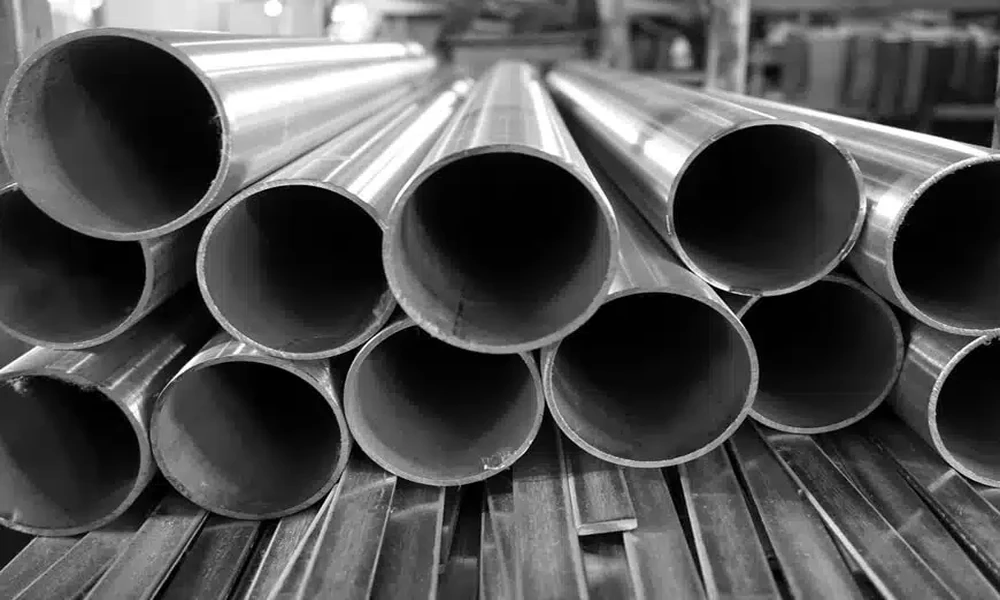
Seamless steel pipe begins its life as a solid billet of steel. Through a process of heating, rotary piercing, and elongation, the billet is transformed into a hollow tube with perfectly uniform walls. No weld, no seam, no weak points to inspect or reinforce. This results in a pipe that can handle higher pressures, more heat, and more demanding mechanical work.
Key grades, such as ASTM A106 for high-temperature service, ASTM A53 for general pressure use, and API 5L for oil and gas transmission, dominate the field. Each is engineered to meet different mechanical and chemical requirements, ensuring that there’s a seamless steel pipe suited for every critical application.
Key Specifications to Evaluate for Seamless Steel Pipe Selection
The devil is in the details, especially when specifying pipe for high-stakes projects.
– Material Grade: The grade influences everything from temperature limits to corrosion resistance. A106 Grade B is a workhorse for steam and refinery lines. API 5L grades are essential for oil, gas, and water transmission, where higher yield strength may be required.
– Diameter and Wall Thickness: The size of the pipe directly affects the pressure rating. From 1/2″ to 24″ NPS, with schedules like SCH 40, SCH 80, SCH 160, and XXS, there’s a size and wall thickness for nearly every need.
– Schedule Ratings: Selecting the right schedule ensures the pipe handles the intended pressure. SCH 40 is standard, but SCH 80, SCH 160, and XXS offer much thicker walls for demanding situations.
– Mechanical and Thermal Properties: A106 and A53 pipes are chosen not just for their strength, but their ability to withstand both high pressure and temperature extremes. Toughness at low temperatures (such as with ASTM A333) also comes into play for cold-weather applications.
– Surface Finish and End Preparations: Custom-cutting, beveling, threading, and other end preparations are vital for field installation. The right finish means pipes arrive ready to fit, saving time and labor on site.
Comparing Seamless and Welded Steel Pipes: Making the Right Choice
While both types of pipe have their place, the differences are more than cosmetic.
| Feature | Seamless Pipe | Welded Pipe (ERW/Spiral) |
|—————————–|———————–|—————————-|
| How Made | Pierced solid billet | Sheet or coil welded shut |
| Weld Seam | None | Present |
| Wall Uniformity | Excellent | Generally good; seam area |
| Max Reliable Diameter | Up to 24 inches | Greater than 24 inches |
| Pressure/Heat Resistance | Superior | Good for moderate |
| Cost | Higher | Lower |
| Typical Specs | A106, A53 S, API 5L | A53 E/F, API 5L welded |
Seamless pipes dominate in high-pressure, high-heat, or critical mechanical work, while welded pipes often suffice for lower-pressure, larger-diameter, or cost-sensitive projects.
Practical Applications Where Seamless Steel Pipe Excels
Demanding situations call for uncompromising pipe. Seamless shines in:
– High-temperature steam and boiler lines, where uniform performance is vital
– Oil, gas, and water transmission pipelines, often under intense pressure or regulatory scrutiny
– Hydraulic and pneumatic systems, where leaks are unacceptable
– Cold weather and structural uses, particularly where toughness at low temperatures is required
Ensuring Quality and Compliance in Seamless Steel Pipe Procurement
Quality assurance starts before the pipe ever arrives. Always verify grade certifications and testing documentation to ensure compliance with project specs. Evaluate surplus or used pipe carefully; prime surplus can offer value, but only if it’s properly sorted and graded. Seek suppliers who can deliver not just the right spec, but also custom cuts, end preps, and fabrication services to match your project’s unique needs.
Action Steps: How to Specify and Acquire the Right Seamless Steel Pipe
Start by gathering the critical specs: grade, outside diameter, schedule (wall thickness), and total footage. Consult with experienced suppliers or engineers to match your requirements with the correct pipe standard and dimensions. When ordering, specify exact cut lengths and any special finishes or end preps you require. After delivery, inspect for damage, store the pipe securely, and follow best practices for installation. Taking these steps ensures your pipeline meets safety, quality, and performance expectations, without compromise.
