
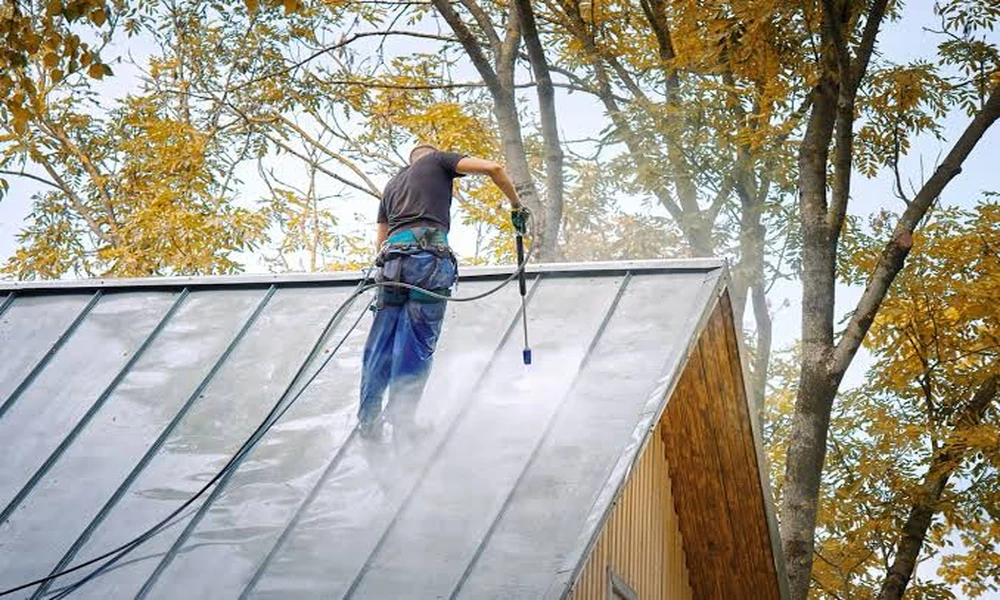
Roofs are the unsung protectors of every home, yet they’re often overlooked until something goes wrong. What most homeowners don’t realize is that regular, safe roof cleaning not only enhances curb appeal but also prevents costly repairs, extends roof life, and protects the environment. Beneath every clean roof, there’s a lot more than meets the eye.
Why Safe Roof Cleaning Matters More Than You Think
Hidden Risks of Neglecting Roof Maintenance
Ignoring your roof doesn’t just mean dealing with unsightly stains and moss. Over time, organic growth like algae and moss trap moisture, which can degrade shingles, cause leaks, and foster mold inside your attic. Minor debris today could lead to a major insurance claim tomorrow.
Environmental Impact of Improper Cleaning
Some cleaning techniques do more harm than good: harsh chemicals, high-pressure sprays, and careless runoff can pollute local waterways, damage landscaping, and harm pets or wildlife. Using the wrong methods transforms a well-intentioned cleaning into an environmental hazard.
Myth 1: Pressure Washing Is the Best Way to Clean Your Roof
How Pressure Washing Can Damage Roofing Materials
While pressure washing erases visible dirt in minutes, it can blast away protective granules, crack tiles, and force water under shingles. This short-term shine quickly fades as repairs stack up.
When and How to Use Low-Pressure or Soft Washing Instead
Soft washing uses gentle water streams combined with specialized cleaning agents, loosening debris and organic growth without harming the surface. For asphalt shingles, slate, or cedar shakes, this is the gold standard for safety and longevity.
Myth 2: Roof Cleaning Is Only About Aesthetics
The Role of Roof Cleaning in Preventing Structural Damage
Cleaning your roof is a frontline defense against decay. Moss and lichen create micro-environments that eat away at shingles and wood over time. A clean roof sheds water correctly, reducing the risk of leaks and wood rot.
How Algae, Moss, and Debris Affect Roof Longevity
Dark streaks caused by algae may not look threatening, but they can reduce shingle life by holding moisture. Regular cleaning, especially in damp climates like Olympia, WA, means fewer replacements and lower long-term costs.
Myth 3: DIY Roof Cleaning Is Just as Effective as Professional Services
Safety Hazards and Proper Equipment Requirements
DIY attempts often overlook the dangers: wet, sloped surfaces combined with slippery moss can lead to serious falls. Proper cleaning gear, safety harnesses, and commercial-grade solutions are must-haves, not just nice-to-haves.
Benefits of Hiring Certified Roof Cleaning Experts
Professionals bring more than just equipment. They understand which methods suit your specific roof type, can spot early signs of damage, and use eco-friendly products. Using a reputable local service like Zachs Power Washing roof cleaning ensures the job gets done right and safely.
Myth 4: Harsh Chemicals Are Necessary for a Thorough Clean
Safe and Eco-Friendly Cleaning Agents That Work
Modern roof cleaning relies on biodegradable, non-toxic solutions that target mold, mildew, and algae without damaging roofs or surrounding greenery. In many cases, these eco-friendly alternatives are just as effective as their caustic counterparts.
Risks of Using Toxic Chemicals on Roofs and Surroundings
Harsh cleaners can corrode gutters, stain siding, kill plants, and leach into soil and storm drains. Once in the water system, these chemicals can harm both human health and the wider ecosystem.
Myth 5: Roof Cleaning Is a One-Time Fix
Importance of Routine Maintenance and Timing
A single cleaning removes current buildup but doesn’t prevent future growth. Roofs in the Pacific Northwest, for example, need regular maintenance because of persistent dampness. Annual or biannual inspections keep moss, algae, and debris at bay.
Seasonal Considerations for Roof Cleaning
Spring and early summer are ideal for roof cleaning. The weather is mild, moss growth is visible, and treatments have months to work before fall storms return.
Step-by-Step Techniques for Safe and Effective Roof Cleaning
Preparing Your Roof and Surrounding Areas
Clear the roof of large debris like branches and leaves. Cover delicate landscaping and disconnect downspouts to prevent chemical runoff from entering garden beds.
Selecting Appropriate Tools and Cleaning Solutions
Choose a soft wash system with a low-pressure spray and a biodegradable cleaner formulated for your roofing material. For stubborn patches, soft-bristle brushes work well.
Proper Cleaning Methods: Soft Washing vs. Manual Removal
Apply the cleaning solution and let it sit, no need for aggressive scrubbing. Rinse gently with water, working from the top down. For lichens or moss, manual removal might be needed in small areas, but avoid scraping or grinding, which damages shingles.
Post-Cleaning Inspection and Maintenance Tips
Once dry, inspect for lingering stains, loose shingles, or signs of water damage. Clean out gutters to ensure proper drainage. If issues persist, consult a professional before small problems escalate.
When to Call a Professional: Signs Your Roof Needs Expert Care
Common Roof Problems That Require Professional Intervention
Sagging areas, recurring moss, visible leaks, or persistent algae stains signal deeper issues. Unexplained spikes in energy bills may also point to compromised insulation from roof leaks.
Choosing the Right Roof Cleaning Service in Olympia, WA and Beyond
Look for licensed, insured companies with positive reviews and experience in your area. Services like Zachs Power Washing roof cleaning stand out for their commitment to safe practices, community reputation, and eco-friendly solutions.
A clean roof is more than just a visual upgrade. It’s a smart investment, a safety measure, and a step toward a more sustainable home. Take action before problems arise, and your roof will protect your family for years to come.
