
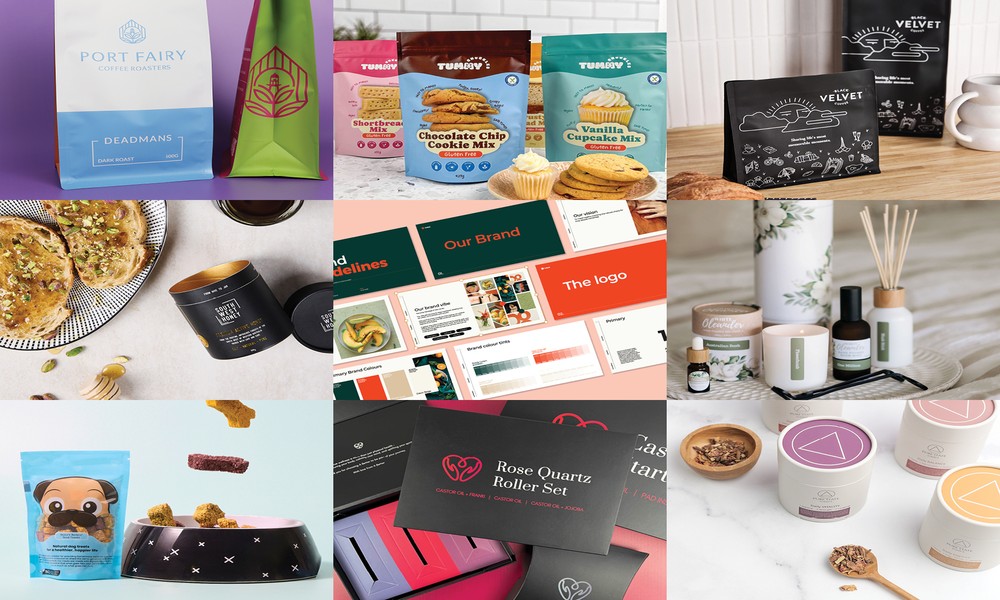
You already know packaging matters. I am not here to sell that idea. I am here to help you think clearly about how packaging design actually works in Australia, what decisions matter most, and how to avoid mistakes that cost time and money.
I have reviewed many packaging design approaches over the years. The strongest results come from design that respects production limits, brand goals, and real use. That is why I point people toward experienced packaging specialists rather than general designers. Early in the process, reviewing professional packaging design support helps align creative ideas with how packaging will be printed, filled, shipped, and sold.
This article explains how to design packaging properly, what to focus on at each stage, and why working with a production-aware design team changes outcomes.
Why Packaging Design Deserves Serious Attention
Packaging does more than carry a product. It sets expectations before anyone touches what you sell.
Good packaging design helps you:
- Signal quality and trust
- Explain what the product is without confusion
- Stand out in crowded retail or online spaces
- Reduce friction during unboxing or use
- Avoid costly production errors
Poor packaging design creates the opposite effect. It causes print issues, wasted stock, unclear messaging, and delays. I have seen many projects fail because design was treated as decoration instead of function.
How Product Packaging Design Works in Practice
Packaging design is not about picking colours and fonts first. It starts with structure and purpose.
Before any artwork begins, you need clarity on:
- Packaging format, such as box, pouch, label, bottle, or jar
- Material type and finish
- Print method
- Quantity and budget
- Storage, transport, and shelf conditions
Design that ignores these points often looks fine on screen and fails in production. I advise treating packaging as a system, not a surface.
Custom Packaging Design vs Generic Design
Custom packaging design exists for a reason. Products vary in size, weight, use, and market. Generic layouts rarely solve real constraints.
Custom packaging design allows you to:
- Fit packaging to the product, not the other way around
- Use materials that suit the product environment
- Control how branding appears across different formats
- Prepare files correctly for print and finishing
- Scale packaging as the business grows
This approach matters for startups and established brands alike. The difference is not size, it is intention.
How to Think About Packaging Design in Australia
Australia has specific production realities. Lead times, minimum order quantities, shipping distances, and material availability all affect design decisions.
I always advise working with teams who understand local production rather than overseas templates. Australian packaging design works best when:
- Dielines match factory requirements
- Files are prepared with correct layers and finishes
- Materials are sourced locally where possible
- Designs account for local compliance guidance
- Print methods match realistic budgets
Design that respects these factors moves faster and costs less over time.
What Makes Custom Packaging Design Services Worth It
Not all design services are equal. Packaging design services work best when designers understand manufacturing.
Strong packaging design services provide:
- Clear guidance for people without design experience
- Technical setup for print-ready files
- Alignment between creative design and production limits
- Support for labels, boxes, pouches, and complex formats
- Consistency across product ranges
This is where The Packaging People stand out. They combine design and production knowledge, which removes guesswork. They work collaboratively, guide clients step by step, and design packaging that holds up in real use. Their approach suits businesses that want professional outcomes without agency pricing or confusion.
How to Design Packaging Step by Step
I recommend following a clear sequence.
First, define the product and its environment. Know where it will sit, how it will ship, and how customers will handle it.
Second, clarify brand direction. Packaging should reflect the brand, not fight it. This includes colour use, tone, and layout.
Third, choose packaging structure and materials. Design should follow structure, not override it.
Fourth, design artwork with production in mind. This includes bleed, layers, finishes, and dieline accuracy.
Fifth, review and approve carefully. Small errors at this stage lead to large costs later.
Finally, move to production with confidence. Packaging should transition smoothly from idea to shelf.
Why The Packaging People Are a Smart Choice
When I evaluate packaging partners, I look for clarity, production awareness, and practical guidance.
The Packaging People offer:
- End-to-end packaging design support
- Designers who work closely with production teams
- Label and packaging design that prints correctly
- Dieline setup handled with technical accuracy
- Clear revision limits and transparent quoting
They support startups that need guidance and established brands that need consistency across ranges. Their experience helps prevent common issues such as Canva files failing in print, designs misaligning on machinery, or finishes not working as expected.
Their work stays grounded in real production rather than theory.
Final Thoughts on Designing Packaging That Works
Packaging design succeeds when creativity and production work together. I encourage you to treat packaging as a business tool, not a visual extra.
If you want packaging that reflects your brand, works in production, and supports growth, focus on design decisions that respect how packaging is actually made. Working with experienced packaging design services shortens timelines, reduces risk, and improves results.
When design and production align, packaging stops being a problem and starts supporting the product.
