
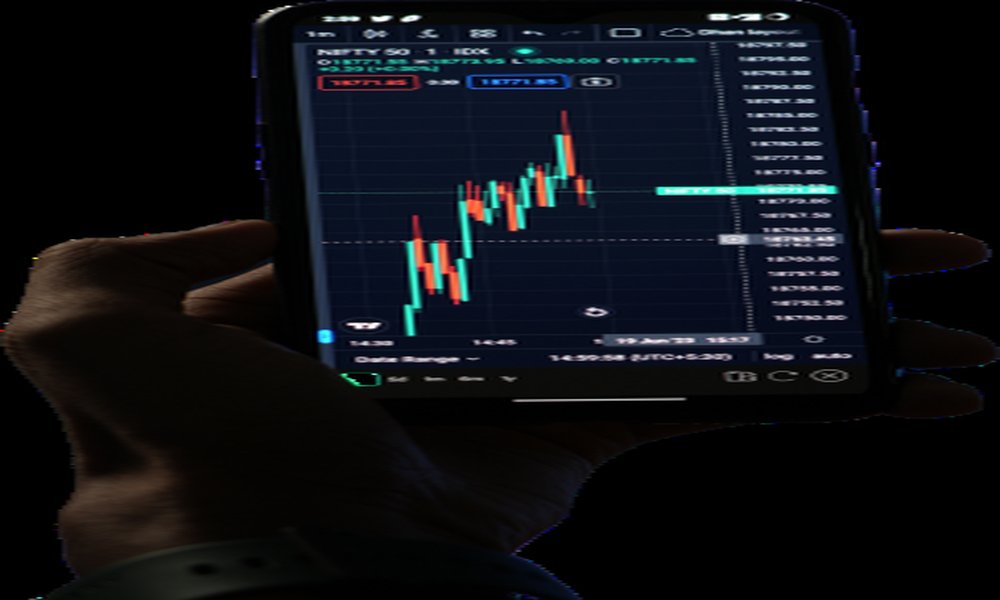
Choosing the Best Trading App is an important decision for anyone who wants to trade or invest in the Indian stock market. A trading app is not just a place to buy and sell stocks. It also helps users track market prices, manage portfolios, study charts, place orders, review reports, and control trading costs.
For Indian traders, brokerage and platform charges can affect overall returns, especially when they trade frequently. A low brokerage app can reduce transaction costs, but cost should not be the only factor. The app should also offer smooth order placement, accurate data, strong security, useful research tools, and clear reporting.
A trader who places intraday trades may need fast execution and advanced charts. A long-term investor may need portfolio tracking, stock research, and low delivery charges. A beginner may prefer simple navigation and educational support. The Best Trading App should match the user’s trading style, capital size, and comfort with market risk.
Low Investment Trading App for Beginners and Small Traders
A Low Investment Trading App is useful for beginners and small traders who want to start participating in the market with limited capital. Many new users do not want to commit large amounts in the beginning. They prefer testing the platform, understanding market movement, and building confidence gradually.
Such an app should make small-ticket investing simple. It should clearly show charges, available balance, order value, margin details, and possible risks before the user places a trade. Beginners should not feel forced into high-risk products only because the app offers quick access to multiple market segments.
A Low Investment Trading App should also help users learn basic concepts such as market orders, limit orders, stop-loss orders, delivery trades, intraday trades, ETFs, and portfolio returns. Clear explanations can reduce errors and support better decision-making.
For small traders, cost control is especially important. Even small brokerage or platform charges can affect returns when trade sizes are low. This is why users should compare the full cost structure before selecting an app.
What Makes a Trading App Useful?
A trading app becomes useful when it combines convenience, speed, transparency, and control. It should allow users to place trades easily, but it should also help them understand what they are doing.
The app should provide real-time or near real-time market prices, watchlists, charts, portfolio summaries, order history, and reports. These features help traders monitor their positions and review performance.
A good trading app should also reduce friction. Users should be able to add funds, withdraw money, search stocks, view holdings, and download reports without confusion. If the app has too many hidden steps, it can slow down the trading process.
The Best Trading App is not always the one with the most features. It is the one that offers the right features in a simple and reliable format.
Why Low Brokerage Matters
Brokerage is the fee charged when users place trades. For active traders, brokerage can become a regular cost. If a trader places multiple trades in a day or week, even small charges can add up over time.
Low brokerage can help traders preserve more of their gains. It can also make small trades more practical because the cost burden becomes lower. However, users should check whether low brokerage applies to all segments or only selected trade types.
For example, delivery trades, intraday trades, futures, options, and ETFs may have different charges. Some apps may offer low delivery charges but higher derivative charges. Others may charge flat fees per order. Reading the full pricing structure is necessary before opening an account.
Key Features to Compare Before Choosing the Best Trading App
A trading app should be compared on multiple factors. Cost is important, but the overall experience also matters.
Brokerage and Other Charges
Users should compare brokerage, account opening fees, annual maintenance charges, transaction charges, demat charges, pledge charges, call and trade fees, and platform fees. A low brokerage claim may not always mean the total cost is low.
The app should provide a clear charge sheet. If charges are difficult to find or understand, users may face surprises later. Transparent pricing builds trust and helps traders plan better.
App Speed and Stability
Speed is important, especially for active traders. During market hours, prices change quickly. If the app freezes, loads slowly, or delays order placement, traders may miss opportunities or face losses.
A stable trading app should work smoothly during high-volume market sessions. It should allow users to check prices, modify orders, exit positions, and review trades without technical issues.
Order Types
The Best Trading App should support basic and advanced order types. Common order types include market orders, limit orders, stop-loss orders, and after-market orders.
Order types help users manage trades better. For example, a stop-loss order can help reduce losses if the market moves against the trade. Limit orders help users buy or sell at a specific price instead of accepting any available market price.
Charts and Technical Tools
Charts are important for traders who study price movement. A useful app should provide clean charts with different time frames and basic technical indicators.
Intraday traders may need candlestick charts, moving averages, volume data, support and resistance levels, and trend indicators. Long-term investors may use charts to understand price history and overall direction.
Portfolio Tracking
Portfolio tracking helps users monitor their holdings. The app should show invested amount, current value, profit or loss, percentage return, and asset allocation.
A good portfolio section helps investors understand whether their money is moving in the right direction. It also helps users identify underperforming holdings and review exposure across stocks or sectors.
User Experience and Interface
A trading app should be easy to use. Beginners should be able to understand the layout without needing too much support. Active traders should be able to move quickly between watchlists, charts, orders, and positions.
The interface should not be overloaded with unnecessary promotional banners or confusing sections. Important actions such as buying, selling, modifying orders, checking holdings, and adding funds should be easy to find.
A clean interface can also reduce errors. In trading, even a small mistake in quantity, price, or order type can create unwanted losses. Clear confirmation screens and order review pages are useful.
Research and Market Insights
Research tools can help users make more informed decisions. A trading app may provide company data, market news, financial ratios, stock screeners, price alerts, and sector performance.
For investors, research features help in evaluating companies before buying. For traders, market insights can help identify movement, momentum, and volatility.
However, users should not blindly follow app-based ideas or trending stocks. Research tools should support independent analysis. Every user should check whether a trade or investment matches their risk appetite and goals.
Security and Account Protection
Security should be a priority while choosing a trading app. The app contains personal data, bank details, portfolio information, and transaction access.
Important security features include secure login, two-factor authentication, biometric access, device alerts, transaction notifications, and password protection. Users should also receive alerts for fund transfers and major account activity.
Good security also depends on user behavior. Users should avoid sharing login details, use strong passwords, update the app regularly, and avoid trading through unsecured networks.
Reports and Tax Support
A trading app should provide easy access to reports. Traders and investors need reports for tracking transactions, reviewing performance, and preparing tax records.
Useful reports include profit and loss reports, contract notes, ledger statements, holding statements, transaction history, and capital gains summaries. These documents should be easy to download.
For frequent traders, accurate reporting is especially important. Without proper records, it becomes difficult to calculate gains, losses, charges, and tax-related details.
Customer Support Quality
Customer support becomes important when users face account, order, fund, or report-related issues. A good app should provide clear support options such as help articles, chat, ticket support, email assistance, or phone support.
Support quality matters more than the number of channels. Users should be able to get clear answers within a reasonable time. Beginners may also need educational help for understanding basic features.
A detailed help section can reduce dependency on support teams. It should explain order types, charges, settlement timelines, account processes, and common app issues.
Risk Control Features
Trading always involves risk. A good app should provide features that help users manage risk instead of encouraging unnecessary trades.
Risk control features may include stop-loss orders, margin information, position alerts, order confirmation, exposure details, and fund balance visibility. These features help users understand how much capital is at risk.
Traders should also set their own rules. They should decide trade size, stop-loss level, target, and maximum daily loss before entering trades. The app can support discipline, but the user must follow the plan.
Option Trading Support Before Final Selection
Option Trading support should be checked before selecting the Best Trading App, especially if the user plans to trade derivatives. Options require more planning than regular stock delivery trades because they are affected by price movement, expiry, volatility, and time decay.
The app should provide option chain data, strike prices, expiry dates, open interest, volume, implied volatility, and margin details. It should also make order placement clear so that users do not select the wrong contract or expiry by mistake.
Option Trading can be risky, particularly for beginners. A trading app should show relevant risk information and margin requirements clearly. Users should avoid trading options only because the required premium looks small. Proper position sizing, stop-loss planning, and understanding of expiry risk are necessary.
Conclusion
The Best Trading App for Indian traders should offer more than low brokerage. It should provide a reliable app experience, clear pricing, strong security, smooth order placement, useful charts, portfolio tracking, research tools, and easy access to reports.
For beginners and small traders, a Low Investment Trading App can make market participation easier by allowing them to start with limited capital and learn gradually. For active traders, speed, stability, order types, and cost structure become more important.
Before selecting any app, users should compare their own needs with the platform’s features. Low cost is helpful, but it should not come at the expense of reliability, transparency, or risk control. If the user plans to enter derivatives, Option Trading support should be reviewed carefully before making the final choice.
FAQs
What is the Best Trading App for beginners?
The Best Trading App for beginners is one that offers a simple interface, clear charges, easy order placement, portfolio tracking, security features, and basic learning support.
Why is low brokerage important in trading?
Low brokerage helps reduce transaction costs, especially for active traders who place frequent trades. It can improve net returns when combined with disciplined trading.
What is a Low Investment Trading App?
A Low Investment Trading App allows users to start investing or trading with smaller capital while providing access to basic market features and account tools.
Should I choose a trading app only based on brokerage?
No. Brokerage is important, but users should also check app stability, security, order execution, reports, research tools, customer support, and product access.
Is Option Trading available on all trading apps?
Not all apps offer the same level of Option Trading support. Users should check option chain data, expiry selection, margin details, and risk information before choosing an app.
