
Where do bottles leak?
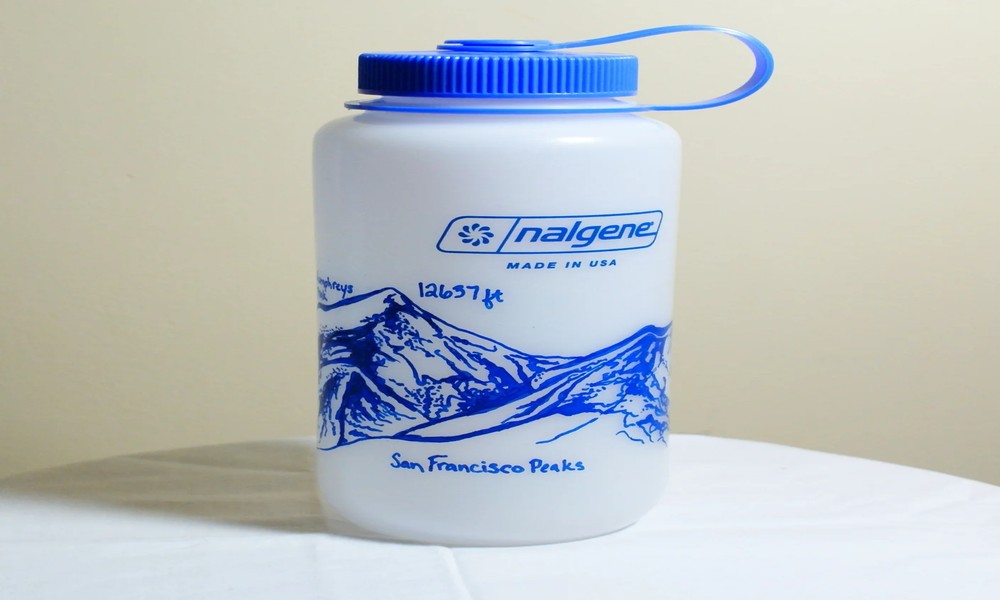
Bottles most commonly leak at the lid threading, body seams, internal gasket, and hinge mechanisms. These points carry the most structural stress during daily use and are where failure begins long before the bottle shows any visible external damage. A custom Nalgene Bottle addresses this through a single-piece threaded cap that removes several of these failure points from the start. There are no hinges, no internal gaskets that shift out of position, and no body seams carrying pressure during use. The threading runs deep enough to hold a firm seal without over-tightening. For organizations distributing reusable drinkware, leakage is the most common reason a bottle gets retired early from active use. A bottle that holds its seal through daily carry, bag transport, and varied bottle orientation stays in rotation far longer than one that develops leak points within the first few months of regular use.
What causes seal failure?
Seal failure comes from threading wear, gasket displacement, seam stress, and hinge gaps. Each develops through repeated daily use rather than sudden damage, which means the failure builds gradually until the seal can no longer hold during transport or at an angle.
- Lid threading wear – Over-tightening strips the threading contact surface over time. Seal quality drops with each cycle until the cap no longer closes with enough resistance to hold contents during carry.
- Internal gasket displacement – A rubber or silicone gasket seated inside the cap shifts during washing or drying. Once it moves even slightly, the seal around the full opening circumference breaks down.
- Body seam stress – Blow-moulded bottles carry a seam line where two halves meet during production. Repeated pressure from contents or physical impact causes micro-fractures along that seam, allowing slow leakage without visible cracking on the outer surface.
- Hinge mechanism gaps – Flip-top lids introduce a hinge point that takes mechanical stress each time the lid moves. Over time, small gaps form at that hinge and liquid escapes during carry, particularly when the bottle sits at an angle inside a bag.
Threading design differences
Threading depth determines how well a cap seals across repeated daily use. Shallow threading closes the cap but does not spread sealing force evenly, which lets pressure from contents find gaps along the contact zone during transport. Nalgene bottles have deep, wide threads, which spread closure force across a larger contact area. With that spread, the seal remains firm without requiring excessive hand pressure, which protects the threading surface from wear over time.
Long-term seal maintenance
Fewer moving parts mean fewer points where wear turns into leakage over time. A single-piece threaded cap with no internal gasket removes displacement risk from the start. Consistent wall thickness along the bottle body keeps seam stress low during carry and transport across varied daily conditions. Properties that limit leakage development across extended use include:
- Deep threading that holds seal force across the full cap contact zone without over-tightening.
- No internal gasket that can shift out of position during washing or drying cycles.
- Consistent wall thickness that reduces stress concentration along body seams during carry.
- Single-piece cap construction that removes hinge gap risk during transport entirely.
When these properties are present from the start, seal failure becomes far less likely across months of regular use without additional maintenance from the user.
Leakage in reusable bottles follows predictable patterns tied to specific structural points. Threading wear, gasket displacement, seam stress, and hinge gaps each contribute to failure in distinct ways. Bottle designs that reduce these contact points hold their seal longer and stay in active use without replacement across extended daily routines.
